Key Takeaways
- Memory care creates a safe, supportive environment that promotes comfort and confidence.
- Thoughtful design, like wide hallways and calming décor, reduces confusion and anxiety.
- Fall prevention includes personalized plans, not just physical features.
- Trained staff and structured medication routines are central to resident well-being.
- Knowing what to look for on a tour helps families make a more informed decision.
Safety Features in Memory Care
When a loved one is living with memory loss, choosing the right memory care community can feel overwhelming. You want to know they’re safe, comfortable, and genuinely cared for every single day. It’s a big decision, and it’s completely natural to have questions about what real safety looks like in this kind of setting.
Memory care safety includes thoughtful building design, fall prevention, compassionate staff, and personalized care plans. Together, these features help create a safe, supportive environment for residents.
Why Safety Looks Different in Memory Care
Memory loss can affect judgment, balance, and spatial awareness in ways that aren’t always visible from the outside. A person may feel confident walking down a hallway but become disoriented in an unfamiliar space. That combination of confidence and confusion is exactly why a thoughtful environment matters so much.
Wandering in seniors can happen quickly and quietly. Good safety features address this directly without making residents feel restricted. The goal is always to support safety and well-being.
Secure Spaces That Still Feel Like Home
Entrances, Exits, & Outdoor Access
Secured doors are a foundational part of any memory care community. They prevent unsupervised wandering while still allowing residents to move freely within their living areas. It’s a quiet safeguard that works in the background.
Enclosed courtyards are another feature worth looking for. They give residents the chance to enjoy fresh air and natural light without safety risks. Time outdoors can improve mood and reduce restlessness, so having a safe outdoor space is genuinely meaningful.
Layout & Design Details
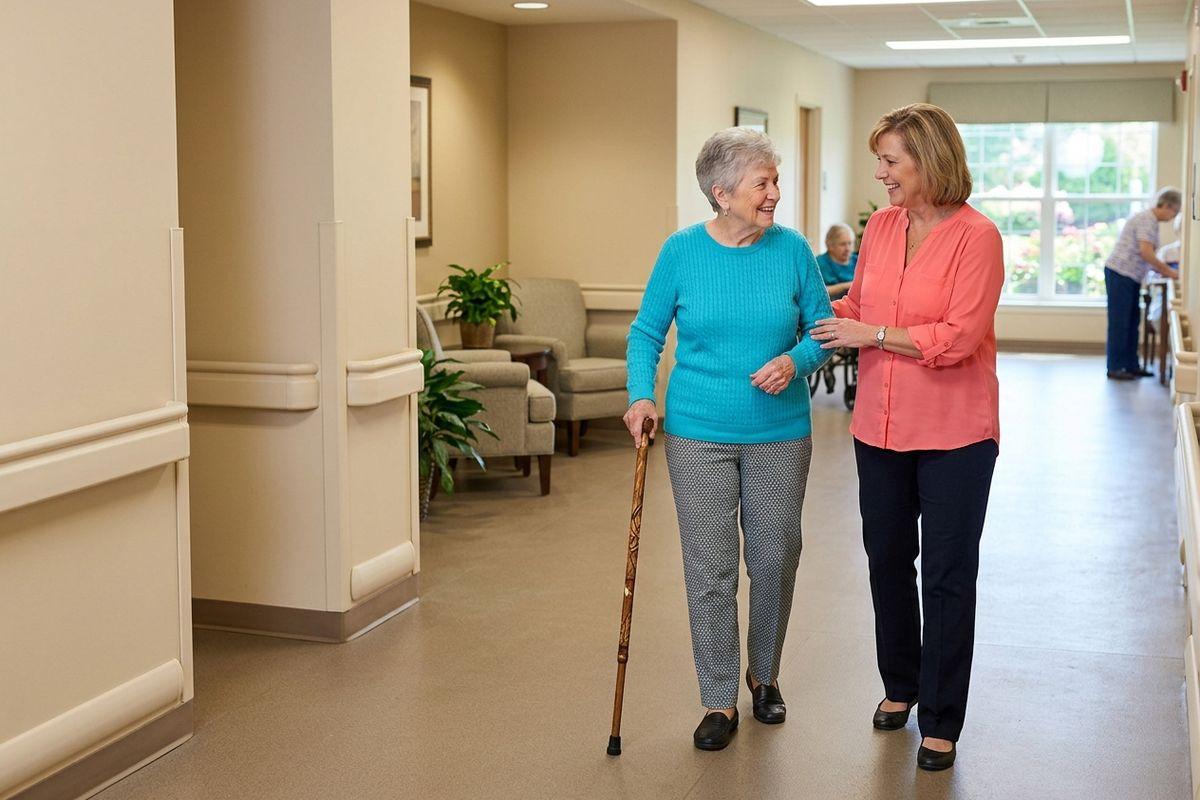
Wide hallways and uncluttered paths make it easier for residents to move around with confidence. Good lighting throughout common areas and bedrooms also plays a big role in reducing disorientation, especially in the evening hours when confusion can increase.
Calming colors and familiar décor may seem like small touches, but they can reduce anxiety significantly. A space that feels warm and recognizable helps residents feel grounded rather than unsettled. Taking a peek at the community’s floor plans and gallery is a great way for you and your loved one to get a real feel for how everything comes together in person.
Fall Prevention & Everyday Physical Safety
Features That Reduce Fall Risk
Non-slip flooring, accessible toilets, and walk-in shower designs are some of the most practical safety features in a memory care setting. They make daily routines safer without drawing unnecessary attention to a resident’s limitations.
Uncluttered spaces with clear navigation paths also matter. When a room is easy to move through, residents can get where they’re going without unexpected obstacles in the way. Understanding what contributes to fall risk can help families ask the right questions when visiting a community.
Personalized Safety Plans
Every resident brings a different health history and set of physical abilities. Individual fall risk assessments help staff understand where extra support may be needed, whether that’s a mobility aid, a different room setup, or more attentive monitoring throughout the day.
These personalized plans are updated as your loved one’s needs evolve over time. Senior living communities treat safety as an ongoing conversation. Fall prevention is thoughtfully woven right into the design of the building itself, so it’s always working in the background to keep residents safe.
Trained Staff & Medication Management
The Right People Make All the Difference
Staff who are trained specifically in dementia-related behaviors respond very differently than those who aren’t. They know how to de-escalate moments of confusion, how to redirect gently, and how to read non-verbal cues that something may be wrong.
Higher staff-to-resident ratios mean more consistent attention and quicker responses. When your loved one needs help, you want someone nearby who genuinely knows them and knows how to communicate with someone who has dementia.
Keeping Medications Safe & on Track
Medication management in memory care requires structure and supervision. Residents may not remember whether they’ve taken a dose, which makes a reliable system especially important. Staff follow organized routines that keep medications on schedule.
Systems that reduce the risk of missed or incorrect doses protect residents from avoidable complications. This kind of behind-the-scenes care often goes unnoticed, but it’s a cornerstone of daily well-being.
What to Look for on a Memory Care Tour
When you visit a memory care community, ask how staff handle emergencies and what communication looks like for families. Pay attention to how staff interact with residents in real time. Do they make eye contact? Do they speak warmly and patiently? Those small moments reveal a lot about the culture of a community.
At All American Assisted Living in Washington Township, safety in senior living and memory care is built around both protection and quality of life. Book a tour today to get started.