
Key Takeaways
- Falls become more common with age because of changes in strength, vision, and reflexes.
- Occupational therapy focuses on the daily activities that matter most to your loved one.
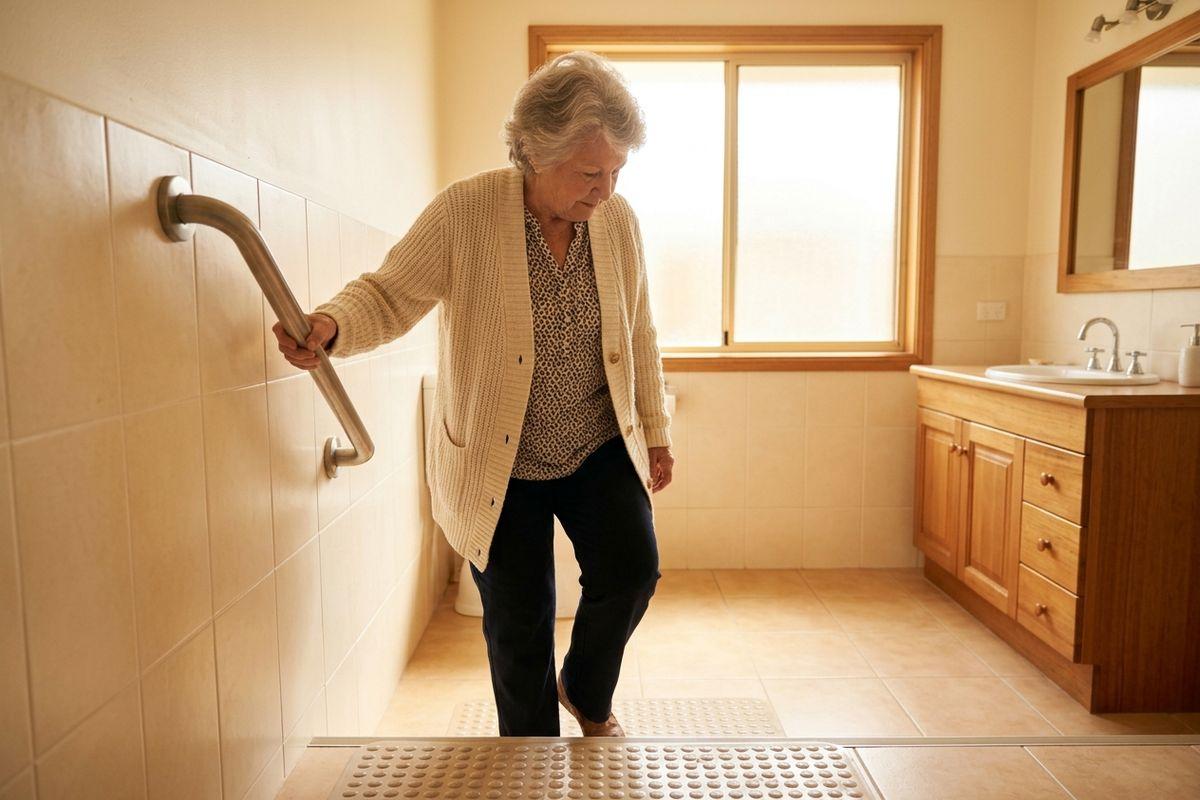
- Small home changes, like grab bars and brighter lighting, can make a big difference.
- Balance and strength exercises help your loved one feel steadier on their feet.
- Senior living communities offer accessible design, personalized care plans, and trained staff.
How Therapy Helps Your Loved One Stay Steady on Their Feet
Maybe you’ve noticed your loved one reaching for the wall on the way to the bathroom at night. Or perhaps you’ve watched them pause at the top of the stairs for way too long. Our team at All American Assisted Living at Washington Township understands that these small moments can weigh heavily on your heart.
Occupational therapy helps lower fall risk by improving the way your loved one moves through the day. That means adjusting the home setup and building strength and balance. In assisted living communities, that kind of steady support is an essential part of daily life.
Why Falls Happen More Often With Age
Bodies change with time. Muscles might lose some of their strength, and joints might feel stiffer in the morning. It’s common for seniors to grow tired more easily as they age.
Other factors add up too. Vision changes can make a dark hallway harder to navigate. And balance problems can significantly increase the risk of falls.
Then there’s the home itself. A rug that slides under the slippers can turn a familiar space into a tricky one. Caregivers can read more about how communities address fall prevention for tips that they too can use at home.
What Occupational Therapy Actually Does
Occupational therapy centers on the activities that fill your loved one’s day. That might include getting dressed, stepping into the shower, or cooking dinner for the grandkids. The goal is to help them keep doing those things safely. And that alone can provide a lot of support for their independence.
Occupational therapy is not the same as physical therapy. Physical therapy often works on movement itself, like walking or building leg strength. Occupational therapy looks at the whole picture of your loved one’s daily living activities. Because of this, no two plans look the same.
What a Visit Looks Like
A therapist usually starts by walking through your loved one’s home with them. They’ll notice the height of the bed, the reach to the top kitchen shelf, and the little things that would’ve otherwise gone unnoticed.
Then comes the conversation about their morning routine and their preferred activities. Their answers shape the practical suggestions that follow. And you and your loved one can help choose which ones make sense. Occupational therapy is a partnership, not a list of orders.
Home Changes That Make Daily Life Safer
Many of the most helpful adjustments are simple and quick. A few additions can change how steady your loved one feels. The truth is, the causes and prevention of falls often trace back to environmental factors.
- Grab bars beside the toilet and inside the shower
- Sturdy handrails along both sides of the stairs
- Non-slip mats in the bathroom and kitchen
- Rugs secured with tape or removed entirely
- Clear pathways between rooms with cords tucked away
- Brighter bulbs in hallways, stairwells, and bedrooms
Helpful Tools and Adaptive Equipment
Everyday tools can make ordinary tasks safer. A raised toilet seat with side rails means less strain standing up. And a bath bench lets your loved one sit down while they wash themselves.
Exercises That Support Balance and Strength
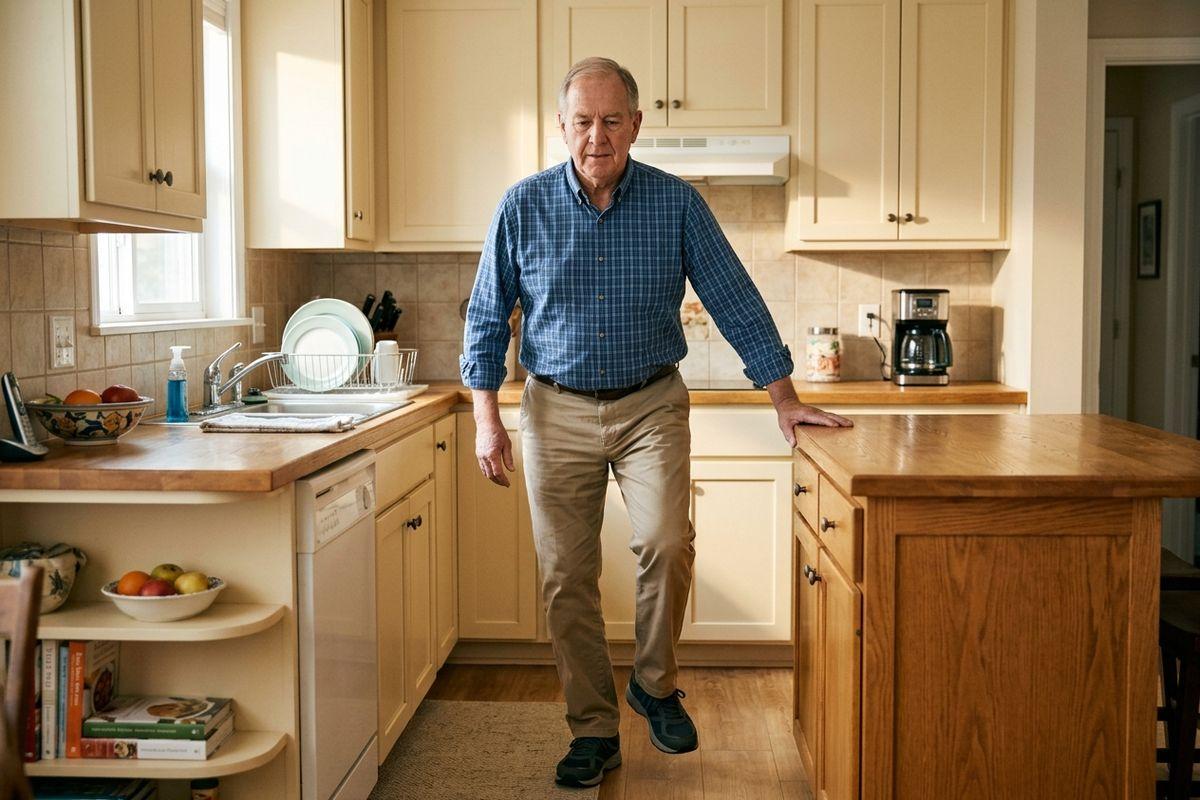
There are many exercises that a therapist might suggest to build strength and improve general quality of life. They might propose that your loved one do single-leg stands with a chair back within arm’s reach.
In addition, light weights or resistance bands are great for strengthening legs and arms. Chair yoga and tai chi can improve flexibility with slow, gentle motions.
How to Fit Movement Into Everyday Living
Pairing exercises with something your loved one already does makes staying active easy. Encourage them to try heel raises while the coffee brews, or a few seated stretches during their favorite show.
Every journey starts with a small step. Two minutes today, five minutes next week. Progress builds quietly, and one day the stairs just feel less intimidating. Being able to move through daily life confidently helps promote a positive attitude about aging.
Support for Fear of Falls
Worries about falls can shrink a life. Your loved one shouldn’t have to skip the garden club or stop walking to the mailbox. Staying active is the key to keeping them connected with the people and activities they love.
Fall Prevention Support in Senior Living
Our assisted living community is designed with accessibility in mind. Think wide hallways and well-lit rooms. These thoughtfully arranged spaces can encourage residents to do things for themselves while staying safe.
Personalized care plans and trained team members add another layer of support. Memory care and respite care options are available too. There’s something for everyone, whether they need extra attention or short-term care.
Small Steps Toward a Safer, Fuller Life
Occupational therapy, home adjustments, and steady movement all help lower fall risk. Small changes add up to more freedom.
Our team at All American Assisted Living at Washington Township would love to show you and your loved one around. Reach out to schedule a tour today and see what daily life here feels like.