
Key Takeaways
- Isolation means fewer social contacts, while loneliness is the feeling of missing connection.
- Roughly 1 in 4 older adults are socially isolated.
- Isolation has links to heart health, mood, and memory changes.
- Watch for skipped hobbies, changes in sleep or appetite, and mentions of boredom.
- Standing phone calls, rides, and group activities help rebuild connection.
- Senior living communities offer built-in neighbors and daily activities.
Why Time Alone Can Quietly Add Up
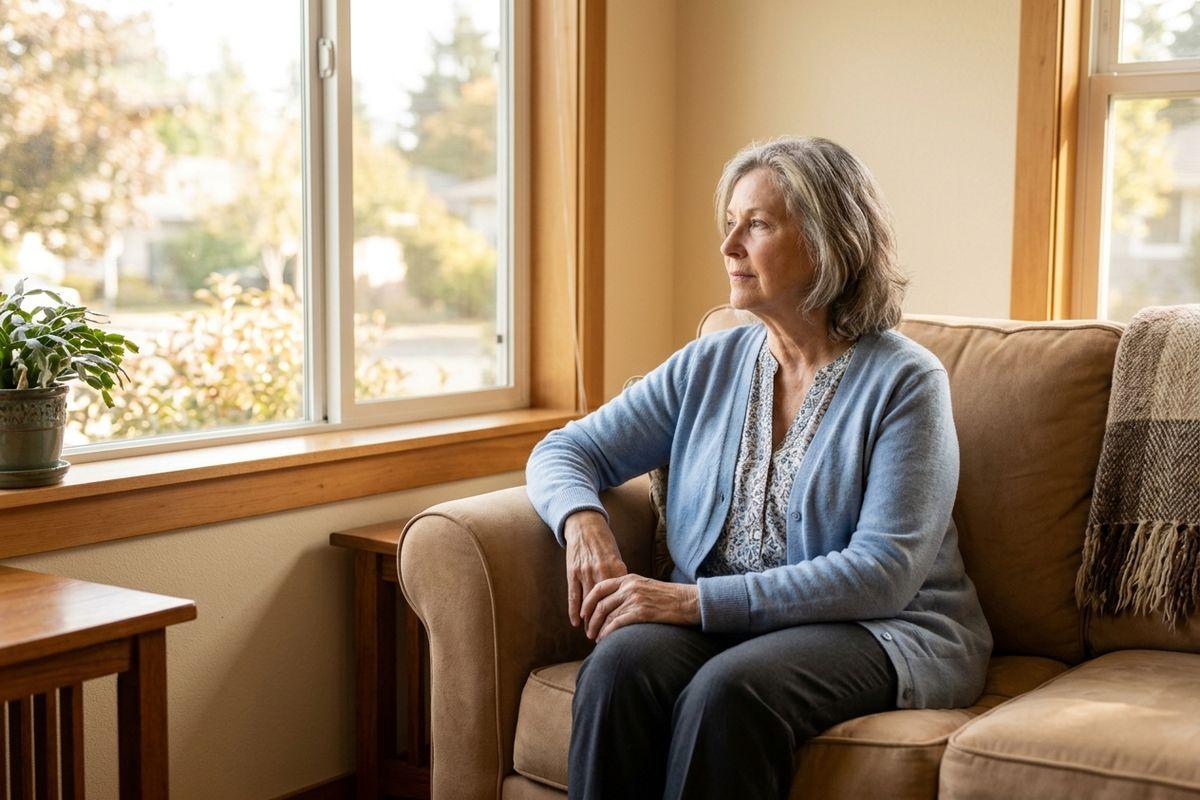
You call your loved one on a Sunday afternoon, and they tell you how the week seems to stand still. The garden club stopped meeting. Their closest friend moved to be near family. Our team at All American Assisted Living at Washington Township knows how the days can start to blur together when connection slips away.
The truth is, isolation can affect physical, emotional, and cognitive health. Fortunately, small, steady routine changes help foster connection again.
What Senior Isolation Really Means
Isolation and loneliness sound like the same thing. However, they’re two different experiences. Isolation refers to having fewer contacts, fewer visits, and fewer conversations across the week. It’s what you can observe in someone’s daily routine. Loneliness is the feeling itself, the invisible ache of missing closeness.
And that difference matters. A person can feel lonely in a room full of people. Your loved one might attend a neighbor’s barbecue and still come home feeling unseen. On the flip side, someone living alone can still feel deeply connected through daily calls and a strong circle of friends.
Roughly 1 in 4 older adults are socially isolated. That’s a large number of people navigating quiet houses every day. It’s also a reminder that your family isn’t alone in facing this.
Why Isolation Affects Health and Happiness
Effects on the Body
Time spent alone shows up in the body in ways you can see. Fewer connections can affect heart health, blood pressure, and immunity.
Isolation can take a toll on everyday routines as well. When there’s no one to walk with or share a table with, both movement and appetite can drop.
Effects on Mood and Memory
Living in isolation carries a higher risk of depression and anxiety. When your loved one can’t find the connection they need around them, they may grow less interested in things they once enjoyed.
There are also links between isolation and changes in thinking and memory. Conversation, laughter, and shared stories give the mind regular stimulation. And these moments are harder to come by when the days are quiet. There are plenty of simple habits that support working memory, and they often start with pleasant company.
Signs Your Loved One May Feel Alone
The signals are usually subtle, but they do form a larger pattern over time. You may notice them over a few visits or during a few phone calls that feel a little different than usual.
- Skipped visits with friends, dropped hobbies, or unreturned phone calls
- Sleeping much more or much less than before
- Changes in appetite, or a fridge with little fresh food in it
- Mail piling up, laundry stacking, or dishes left in the sink
- Comments about being bored, sad, or feeling forgotten
Common Triggers to Watch For
Certain life changes make isolation more likely. Knowing them helps you step in early. The loss of a spouse or close friends can shrink a social circle quickly. When that happens, it’s helpful for families to learn whether it’s safe to leave a loved one alone for long stretches.
Retirement can also remove the long-standing company of coworkers. In addition, mobility changes make socializing more difficult. When driving stops, so do the trips to the coffee shop where everyone knows your loved one by name.
Simple Ways to Prevent Senior Isolation
Daily Habits That Build Connection
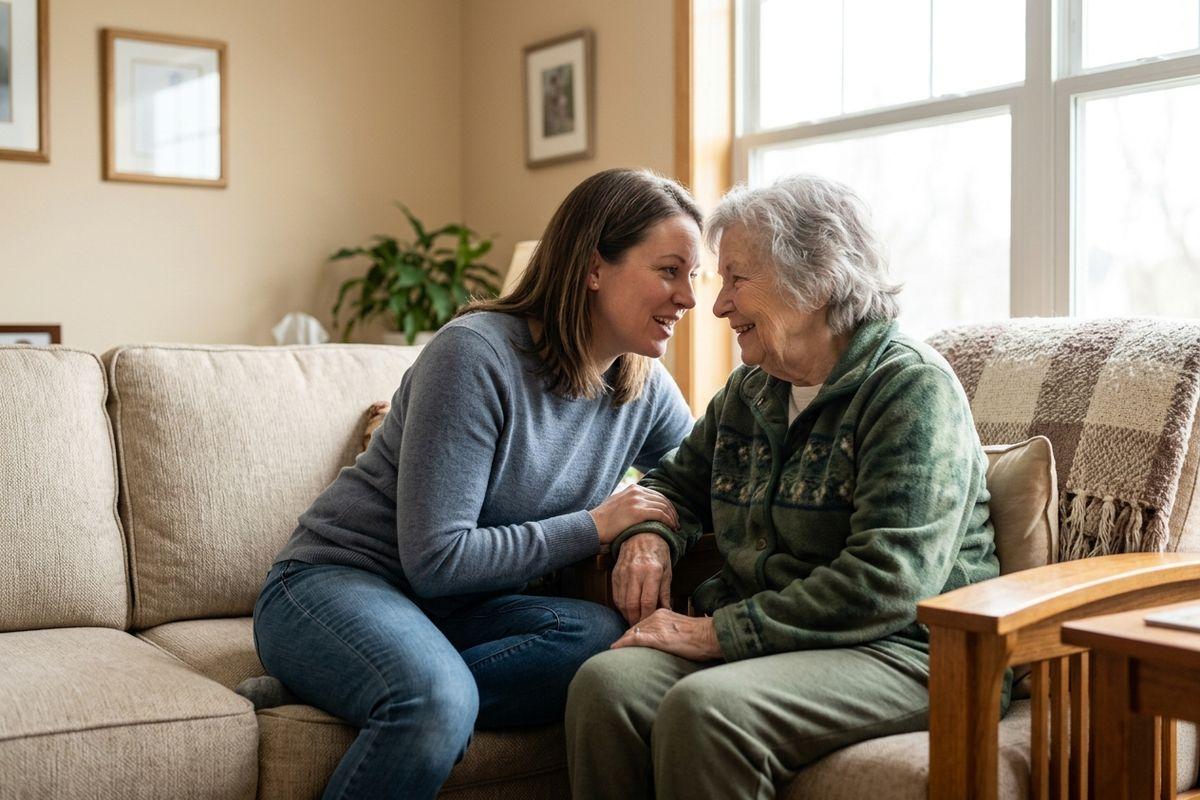
Consistency does more than any singular grand gesture. A phone or video call, same day and same time each week, gives your loved one a sense of purpose. Your warmth is something that they can count on week after week.
Regular walks with a neighbor and classes at the community center can fill the calendar with familiar faces. Sometimes, giving back is a great way to build connection as well. Volunteering provides a shared sense of mission that reminds a person they still have plenty to offer.
How Senior Living Communities Help
Senior living takes the effort out of finding company. Neighbors live just down the hall, and meals are shared around a table. Activities fill the calendar without anyone needing to plan or drive. In a community, there’s always something for everyone to share a hearty laugh over.
Options can be matched to what your loved one needs right now. Assisted living helps with daily tasks, while memory care offers specialized professional support.
The Choice for a Connected Life
Start small. Pick one regular social routine. It could be a Tuesday call or a Saturday walk, then build it from there. If your loved one seems withdrawn, talk openly with them about how their days feel and what they miss.
All American Assisted Living at Washington Township, in Sewell, welcomes you to visit and see daily life for yourself. From shared meals to afternoon activities, there are plenty of delightful moments for our residents to enjoy. Reach out to us today to schedule a tour. Your loved one can count on us to find the care and the connection that they need.